Tag: spotting scope

Saturday, December 13, 2025 Bird Walk to Lake Mcintosh with Jamie Simo and Gabbie Lochbaum

Saturday the 13th started off chilly, though definitely not cold, but even without frozen water (which tends to concentrate geese and ducks), we had a decent showing of waterfowl at Lake Mcintosh. Lake Mcintosh in Northwest Longmont, is part of Longmont’s natural areas program and is a great place to watch birds all year round, but especially in the wintertime.
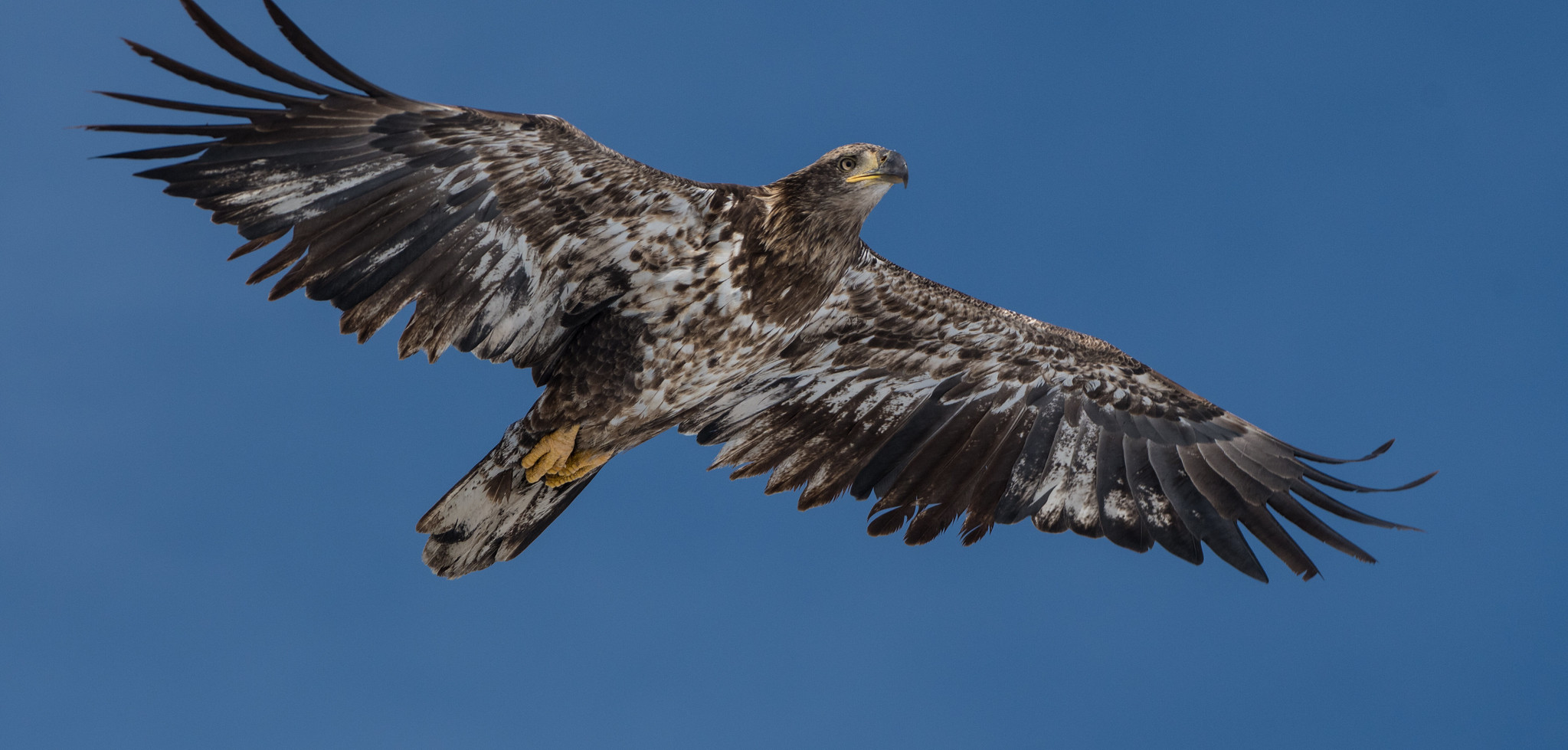
Immature Bald Eagle. Photo by Jamie Simo

Due to the number of people who frequent the trail around the lake, many birds at Mcintosh are habituated to human presence. Such was the case for a young Bald Eagle we were able to get extremely close views of in the tree nearest the statue. I’ve noticed that tree seems to be THE favorite spot for the eagles to view the lake.

Did you know that, despite their 6 foot wingspan, Bald Eagles weigh only around 9 1/2 pounds? Because they can only lift about half their body weight, your small pet is most likely not in danger from a Bald Eagle. Still, remember to keep your dogs supervised and your cats inside due to other hazards to them and other wildlife!

I usually carry not only my binoculars and spotting scope with me when I go birding, but also a large camera, so this trip I took out Opticron’s new tripac spotting scope backpack to try to ease my load and give it a test run. The backpack fastens around the column and legs of your spotting scope so you can carry it on your back, freeing up your hands for taking pictures or using your binoculars. It was really secure and wasn’t uncomfortable to walk in. I could definitely see adding it my essential gear list for only $85.
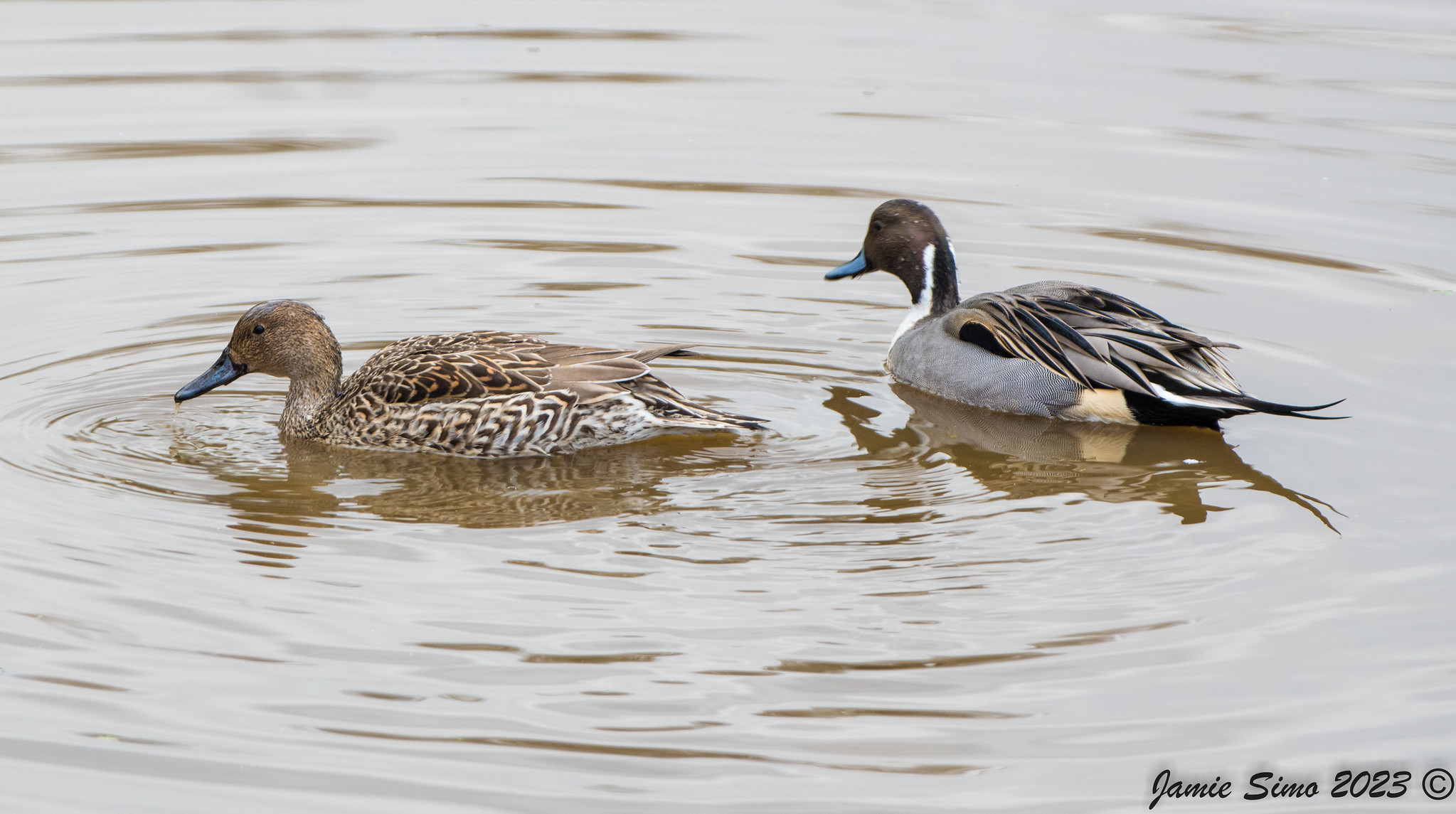
Northern Pintail pair. Photo by Jamie Simo

Carrying the spotting scopes was a good call because most of the ducks we saw were on the other side of the lake, including several Northern Pintails and a whole host of Common Mergansers. Northern Pintails are a widespread, circumpolar dabbling duck with a long, graceful neck and tail. Males have a really interesting call that is reminiscent of a buzzy slide whistle.

From what we could determine, we didn’t have any unusual gulls (most of them were on the other side of the lake too) or songbirds, but in all we had 20 species, which wasn’t too bad for an abnormally warm winter morning. Hopefully we’ll see you at our next walk in the new year; happy holidays!

McIntosh Lake, Boulder, Colorado, US
20 species (+2 other taxa)

Cackling Goose  31
Canada Goose  60
American Wigeon  5
Mallard  9
Northern Pintail  3
Common Goldeneye  3
Common Merganser  60
duck sp.  7
Eurasian Collared-Dove  3
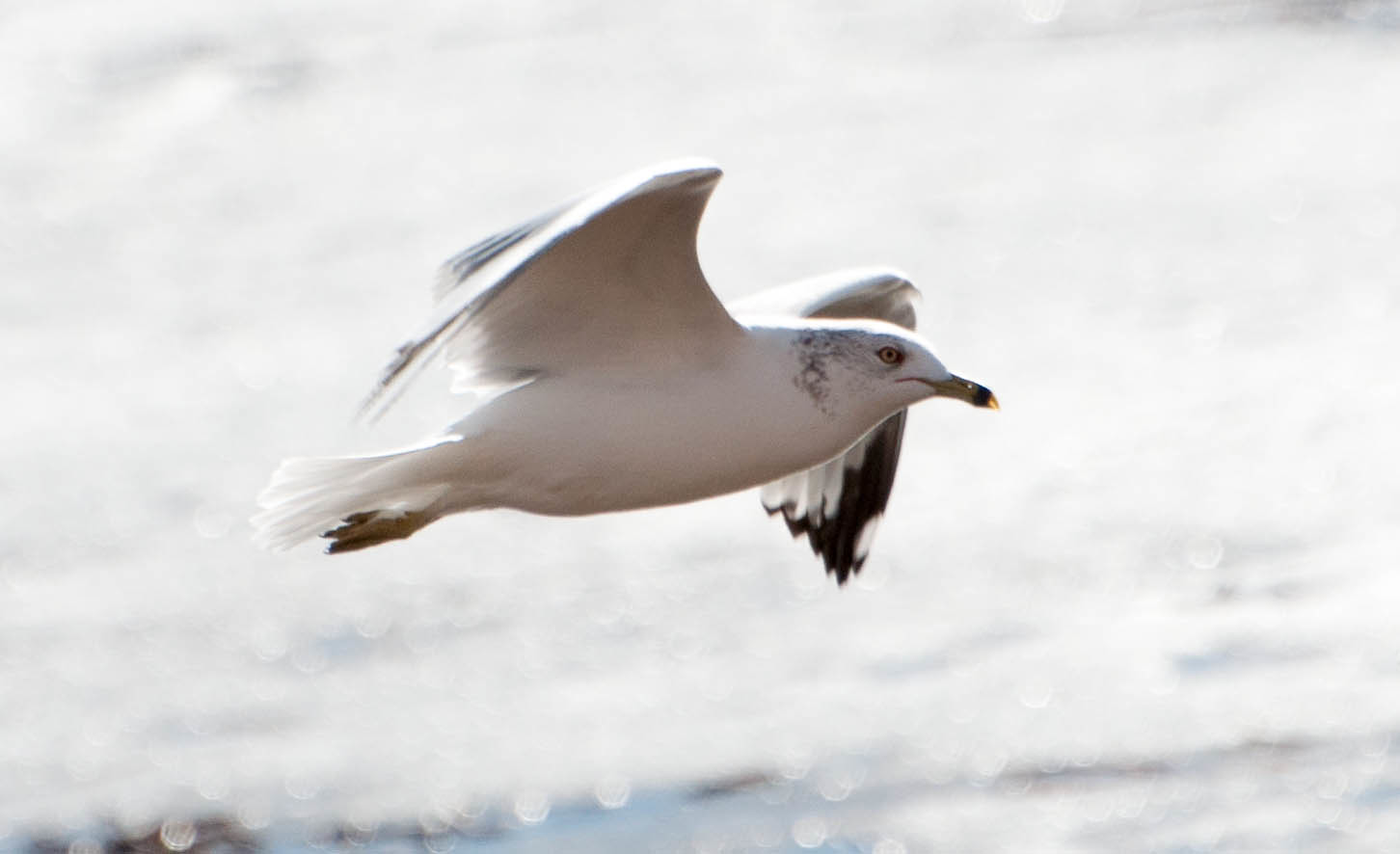
Ring-billed Gull  25
gull sp.  200
Great Blue Heron  1
Bald Eagle  2
Northern Flicker  2
Blue Jay  1
American Crow  1
Common Raven  1
European Starling  3
American Robin  1
House Finch  18
Song Sparrow  1
Red-winged Blackbird  16

Sunday, November 10, 2024 Bird Walk to Lagerman Reservoir

We had to push off our usual second Saturday bird walk by a day due to our first snow storm of the season, but I’m so glad we did! It was a perfect bluebird day with sunny skies and a ton of amazing birds!

Lagerman Reservoir is always great for waterfowl and raptors in the fall and winter and it provided the perfect venue for trying out some of our spotting scopes, namely Swarovski’s ATS 65 and Opticron’s new MM4 77. Both scopes provide crystal clear viewing of distant birds. In fact, they were instrumental in determining that the raptor we saw perched out on a fencepost was a Ferruginous Hawk rather than a Red-tailed Hawk. What told us it was the larger Ferruginous Hawk rather than the more common Red-tail, even from far away? The extensive white on the bird’s chest and belly, unbroken by any dark speckling or “belly band,” pale feathers on the head rather than a solid brown head, and a flash of rusty color on the shoulder.

Another special bird of the day was a juvenile Golden Eagle. We could tell the bird was a juvenile Golden Eagle and not a young Bald Eagle by the neat, white patches on the underside of its wings and the way it soared with its wings in a slight V (dihedral). Juvenile Bald Eagles are a messy mix of white and dark brown and soar with their wings flat. While Golden Eagles tend to nest on cliffs or bluffs, they can be found in open country when not breeding, especially in the winter.

For ducks we had quite a few, with the most common being Green-winged Teal, Ruddy Ducks, and Northern Pintails. We even had a late shorebird: a Long-billed Dowitcher, a medium-sized shorebird that passes through Colorado in the spring on its way to breed in the arctic and then back through again in the fall to winter in the southern US and Mexico. Their feeding behavior, which is sometimes described as like a sewing machine, allows them to probe into mud and sand with their long bills in search of invertebrates and mollusks.

With 30 species for the morning, the walk was a great success! We hope you can join us on a future walk!

Lagerman Agricultural Preserve–Lagerman Reservoir, Boulder, Colorado, US
Nov 10, 2024 9:00 AM – 11:50 AM
30 species

Cackling Goose  70
Canada Goose  20
Northern Shoveler  2
American Wigeon  8
Mallard  10
Northern Pintail  25
Green-winged Teal  35
Redhead  15
Ring-necked Duck  4
Lesser Scaup  5
Bufflehead  8
Ruddy Duck  40
Rock Pigeon (Feral Pigeon)  1
American Coot  50
Killdeer  6
Long-billed Dowitcher  1
Ring-billed Gull  4
Eared Grebe  2
Golden Eagle  1
Red-tailed Hawk  3
Ferruginous Hawk  1
American Kestrel  1
Prairie Falcon  1
American Crow  1
Horned Lark  4
European Starling  30
American Pipit  1
American Goldfinch  1
Western Meadowlark  1
Red-winged Blackbird  5

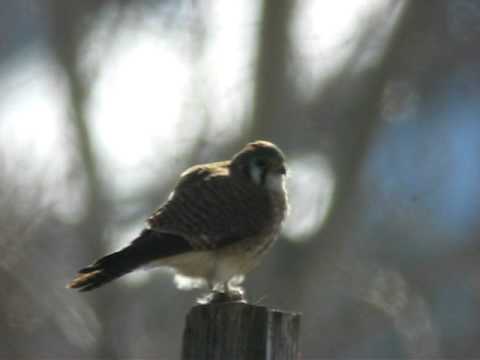
Digiscope Video of American Kestrel

[svp]http://www.youtube.com/watch?v=kb_RGW4bTlI[/svp]
Digiscope video taken with Swarovski ATS 80 HD Spotting Scope, 20-60x Eyepiece, Digital Camera Adapter DCA, and Canon PowerShot A540. Digiscoping combines small point and shoot cameras with spotting scopes to produce images and videos at higher magnifications than possible with the camera alone. This video is an American Kestrel eating its prey at Platte River Park, Littleton, CO.

Digiscope Video of Ducks

[svp]http://www.youtube.com/watch?v=V4ILbtfnBm4[/svp]
Digiscope video taken with Swarovski ATS 80 HD Spotting Scope, 20-60x Eyepiece, Digital Camera Adapter DCA, and Canon PowerShot A540. Digiscoping combines small point and shoot cameras with spotting scopes to produce images and videos at higher magnifications than possible with the camera alone. This video is a feeding frenzy of ducks taken at Platte River Park, Littleton, CO.

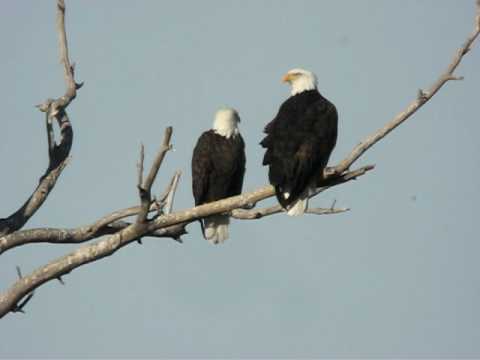
Digiscope Video of Bald Eagles 3

[svp]http://www.youtube.com/watch?v=kSew81AZOuo[/svp]
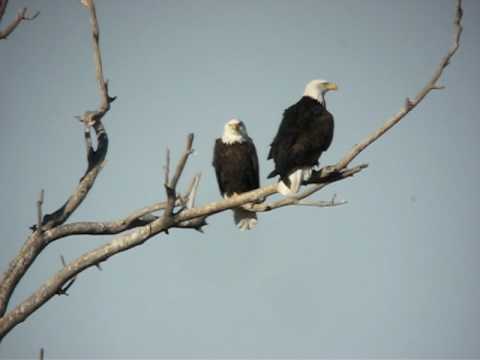
Digiscope video taken with Swarovski ATS 80 HD Spotting Scope, 20-60x Eyepiece, Digital Camera Adapter DCA, and Canon PowerShot A540. Digiscoping combines small point and shoot cameras with spotting scopes to produce images and videos at higher magnifications than possible with the camera alone. This video is two bald eagles sitting on a branch in Weld County, Colorado.

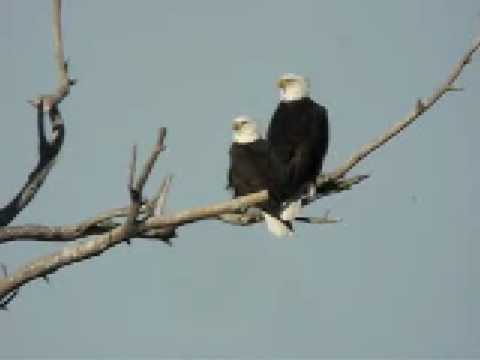
Digiscope Video of Two Bald Eagles 2

[svp]http://www.youtube.com/watch?v=iBJg9-cU1Uo[/svp]
Digiscope video taken with Swarovski ATS 80 HD Spotting Scope, 20-60x Eyepiece, Digital Camera Adapter DCA, and Canon PowerShot A540. Digiscoping combines small point and shoot cameras with spotting scopes to produce images and videos at higher magnifications than possible with the camera alone. This video is two bald eagles sitting on a branch in Weld County, Colorado.

Digiscope Video of Two Bald Eagles 1

[svp]http://www.youtube.com/watch?v=UwpLxtqNOw0[/svp]
Digiscope video taken with Swarovski ATS 80 HD Spotting Scope, 20-60x Eyepiece, Digital Camera Adapter DCA, and Canon PowerShot A540. Digiscoping combines small point and shoot cameras with spotting scopes to produce images and videos at higher magnifications than possible with the camera alone. This video is two bald eagles sitting on a branch in Weld County, Colorado.